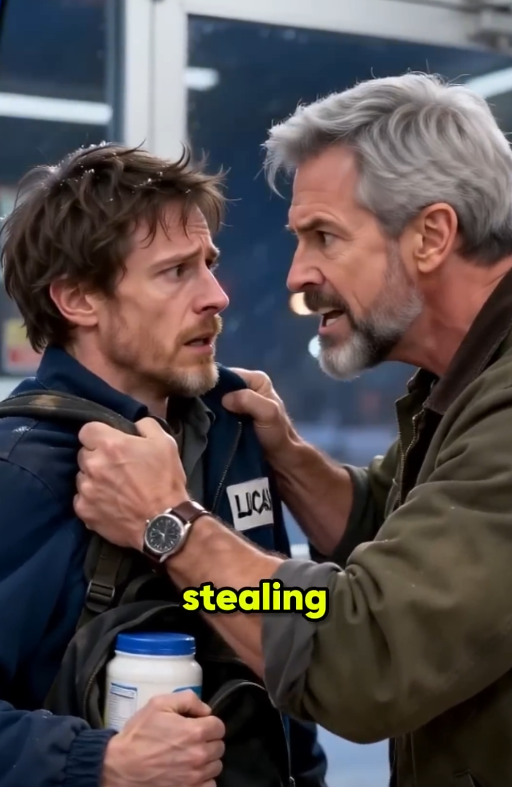
The morning bus route seemed normal until a frightened child stepped inside with tears covering his exhausted face.
Owen was seven years old, carrying a backpack almost bigger than himself while searching desperately for a way home.
His shoes were soaked, his eyes were red, and his small hands trembled as he approached the driver.
"Please, I just need to get home," Owen whispered while looking at the empty space in his wallet.
Greg, the bus driver, immediately noticed the child's fear and understood something was wrong.
He had only eleven days remaining in his sixty-day performance review after a previous complaint.
One misunderstanding about a route had placed a dangerous yellow warning flag on Greg's employment record.
Another incident before the review ended would send his case directly to the disciplinary board.
Greg knew the consequences could destroy everything he had worked for, including his daughter's security.
Suspension, termination, lost income, and lost health insurance were all possible if he made another mistake.
The rules were clear: no fare meant no ride, and there were no exceptions allowed.
Greg looked at Owen for two seconds, then quietly opened the door and said, "Sit down."
The bus moved forward as Greg returned to the road, knowing he had just risked his entire career.
A passenger sitting behind the driver's seat watched everything and immediately picked up his phone.
Thirty seconds later, his voice echoed through the bus and shocked every passenger around him.
"Yes, I would like to report a driver who violated fare policy," the man announced loudly.
Greg heard every word but kept his eyes forward, refusing to react while driving.
Three minutes later, dispatch contacted him through the radio requesting confirmation of the situation.
Greg pressed the button and answered honestly, "Confirmed. A minor without fare. I allowed him onboard."
He gave no excuses because he knew his decision was against official policy.
Four stops remained before his shift ended, and every second felt heavier than the last.
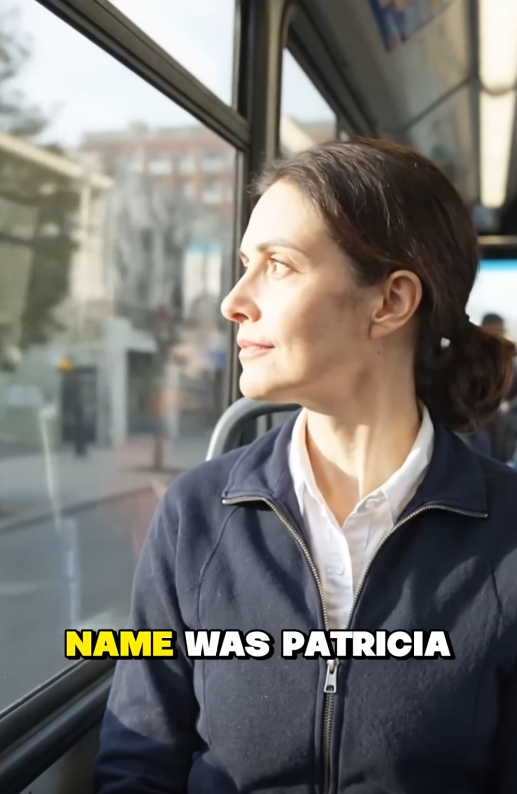
At the next stop, a woman wearing jeans and a navy jacket entered the bus quietly.
She sat beside Owen and gently asked, "Are you okay, kid?"
Owen explained everything while the woman listened carefully without interrupting him.
Nobody on that bus knew her name was Patricia Dunbar, the chief of the Portland Police Department.
Her vehicle was being repaired, so she had been waiting at the bus stop for twelve minutes.
When Owen finally reached his destination, Patricia walked toward Greg before he left the vehicle.
She extended her hand and said, "I was on this bus. I saw everything."
Then she handed Greg her official card, leaving him completely confused and nervous.
Greg still had to enter his supervisor's office because the complaint remained officially recorded.
However, before he arrived, Patricia had already contacted the transit director about what she witnessed.
She recommended Greg for a newly created community ambassador position between the city and transit department.
The position offered full benefits, permanent employment, and a forty percent salary increase.
The complaint stayed in Greg's file, but so did the unexpected promotion that changed his life.
Months later, Greg remembered the moment he chose compassion over fear and protected a child.
He never knew someone important was watching, but kindness had found its way back to him.
Because sometimes the smallest act of humanity creates the biggest change when nobody expects recognition.